
Organic Food and Gut Science: How Real Food Shapes Your Microbiome
Posted by Zebra Organics on 2026 May 27th
The connection between organic food and gut health is becoming one of the most exciting areas of nutrition science. Your gut microbiome — the community of trillions of bacteria living in your digestive system — responds directly to the foods you eat every day. A diverse diet filled with whole, minimally processed organic foods may help support a stronger, more balanced microbiome.
From fiber-rich mesquite flour to antioxidant-packed olives and polyphenol-rich loose leaf teas, every ingredient adds something different to your gut ecosystem. When you rotate a variety of organic foods into your meals, you give beneficial bacteria the nutrients they need to thrive.
Why Food Diversity Matters for Gut Health
Research continues to show that eating a wider range of plant-based foods supports greater microbial diversity in the gut. A diverse microbiome is linked to improved digestion, immune support, and overall wellness.
Instead of relying on the same meals every week, introducing new organic ingredients can encourage healthier bacterial balance. Foods like:
-
Organic mesquite flour powder for natural fiber
-
Loose leaf teas rich in plant polyphenols
-
Fermented black dried olives with antioxidant compounds
-
Organic raw Brazilian rainforest honey containing natural prebiotic sugars
all contribute unique nutrients that help nourish beneficial gut bacteria.
Three Simple Ways to Support Your Microbiome
1. Rotate Organic Foods Weekly
Adding three or four new organic foods each week can increase the variety of nutrients your microbiome receives. Swapping grains, teas, vegetables, and pantry staples introduces different fibers and antioxidants that support microbial resilience.
For example, mesquite flour powder contains dietary fiber that can help feed beneficial gut bacteria, while olives and teas provide plant compounds associated with gut-friendly antioxidant activity.
2. Choose Minimally Processed, Ethically Sourced Foods
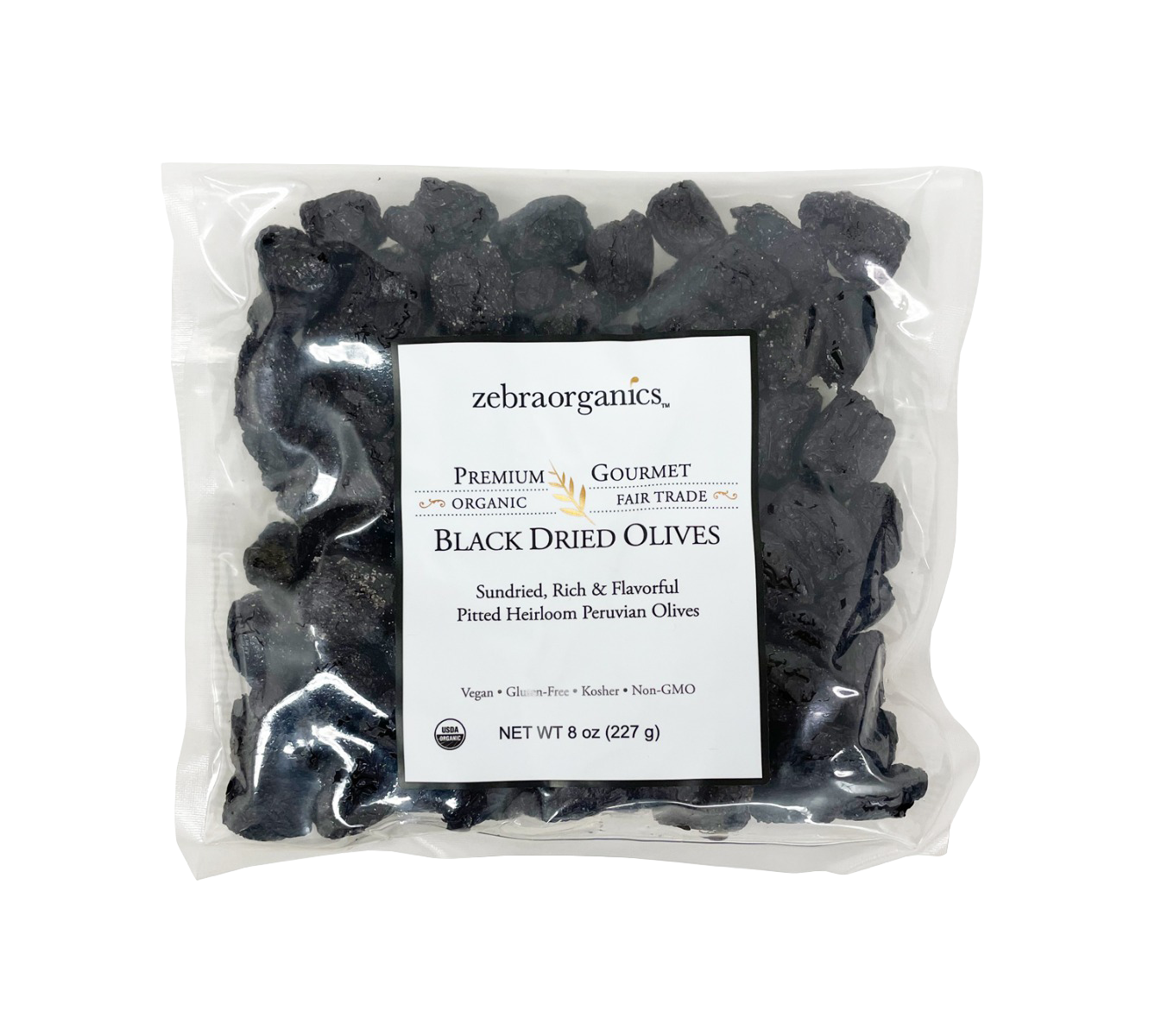
Whole foods that are raw or lightly processed often retain more of their natural nutrients and beneficial compounds. Products like raw honey, cured olives, and loose leaf teas offer simple ingredient profiles without unnecessary additives.
Choosing ethically sourced organic foods also supports environmentally responsible farming practices, making it a healthier choice for both your body and the planet.
3. Explore Different Teas and Olive Varieties
Different teas and olive varieties contain unique polyphenols and antioxidants. These compounds may help nourish beneficial bacteria while adding more flavor and nutritional diversity to your meals.
Simple changes like rotating herbal teas or trying different olive preparations can add variety without overcomplicating your routine.
Easy Food Pairing Ideas for Gut Support
Here are a few practical ways to add microbiome-friendly ingredients to your day:
-
Pair mesquite flour with beans or whole grains for added fiber and plant protein
-
Toss black olives into salads with citrus for extra antioxidant support
-
Add citrus peel to loose leaf tea for additional plant compounds
-
Use raw honey as a natural sweetener in tea or yogurt
Small, consistent changes often create the biggest long-term impact on gut health.
The Importance of Ingredient Quality
The source of your food matters. Organic foods that are minimally processed and ethically grown can help preserve nutrients while reducing unnecessary chemical exposure. Choosing real, whole foods supports a more mindful approach to nutrition and wellness.
At Zebra Organics, the focus is on providing carefully sourced organic ingredients designed to support healthy living and a vibrant microbiome.
Final Thoughts
Gut health starts with everyday choices. Eating a diverse range of organic whole foods gives your microbiome the variety it needs to adapt and thrive. By rotating nutrient-rich ingredients like mesquite flour, fermented olives, loose leaf teas, and raw honey into your meals, you can support better digestion, microbial diversity, and overall wellness.
Whether you are just beginning your gut health journey or looking to expand your nutrition habits, a more diverse plate can make a meaningful difference over time.